



CAR-T Therapy for Myasthenia Gravis (MG)
Overview
Myasthenia Gravis (MG) is a chronic autoimmune neuromuscular disorder caused by autoantibodies (primarily anti-acetylcholine receptor antibodies, AchRAb) that impair communication between nerves and muscles, leading to fluctuating weakness, ptosis, dysphagia, and in severe cases life-threatening respiratory failure. For patients with refractory MG who fail conventional immunosuppressants, IVIG, FcRn inhibitors, and complement inhibitors, treatment options remain limited.
BIOOCUS’s dual-target CD19/BCMA CAR-T therapy represents a breakthrough autologous cell therapy that precisely eliminates pathogenic B cells and plasma cells responsible for autoantibody production, offering the potential for deep and durable remission in difficult-to-treat MG.
What is CAR-T Therapy for MG?
CAR-T therapy for MG is an advanced, personalized immunotherapy in which a patient’s own T cells are genetically engineered to express chimeric antigen receptors (CARs) targeting both CD19 (on B cells) and BCMA (on plasma cells). After expansion in the laboratory, these dual-target CAR-T cells are infused back into the patient, where they selectively deplete the autoreactive immune cells driving MG, thereby reducing AchRAb levels and restoring neuromuscular function.
This dual-target approach addresses both the cellular and humoral components of the autoimmune response, providing a more comprehensive reset of the immune system compared to single-target or traditional therapies.
Key Benefits of CAR-T Therapy for MG
- Rapid and sustained symptom improvement: Significant reduction in muscle fatigue, ptosis, diplopia, dysarthria, and limb weakness.
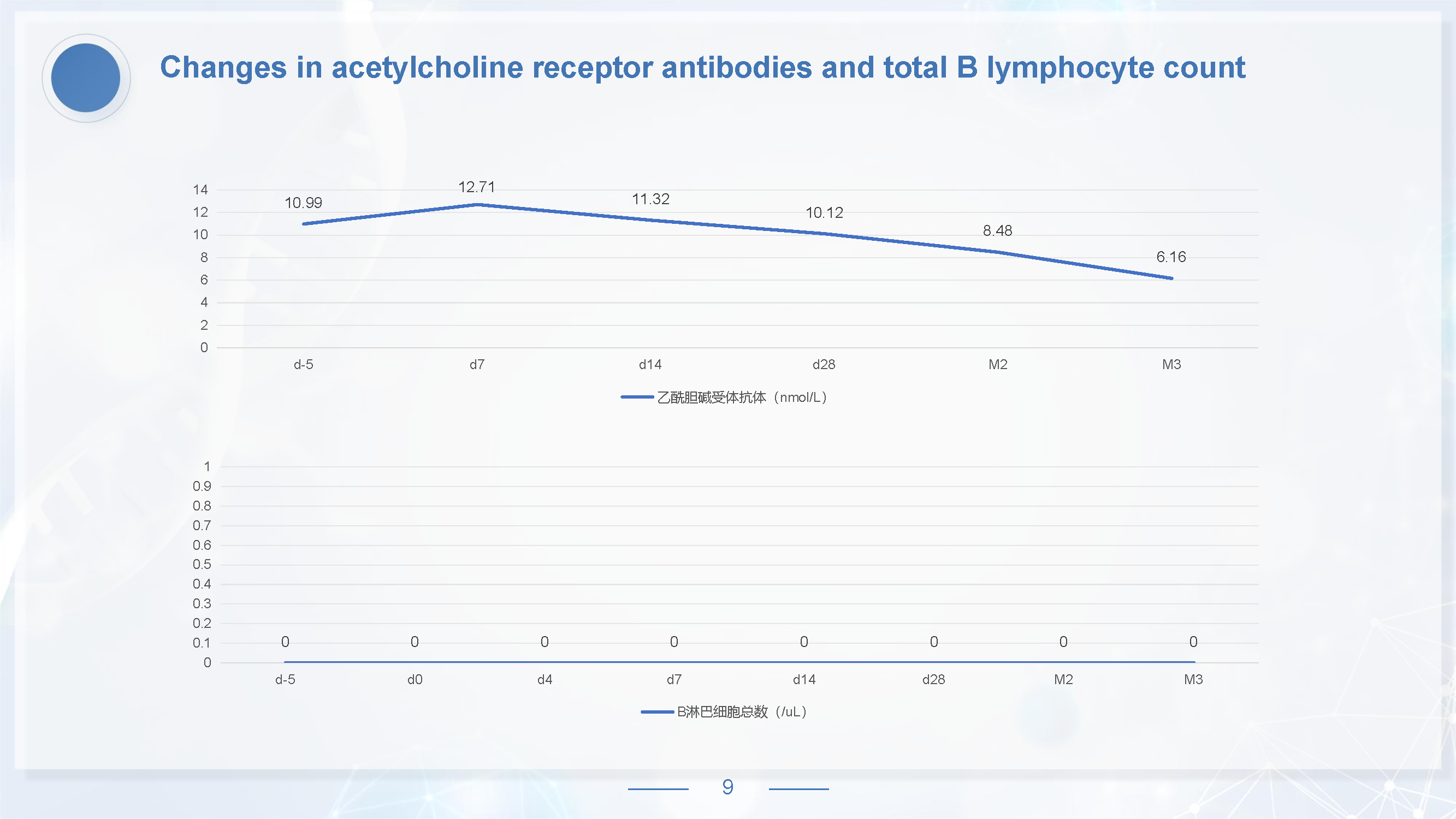
- Deep B-cell and plasma-cell depletion: Marked and lasting decrease in AchRAb and total B-lymphocyte counts.
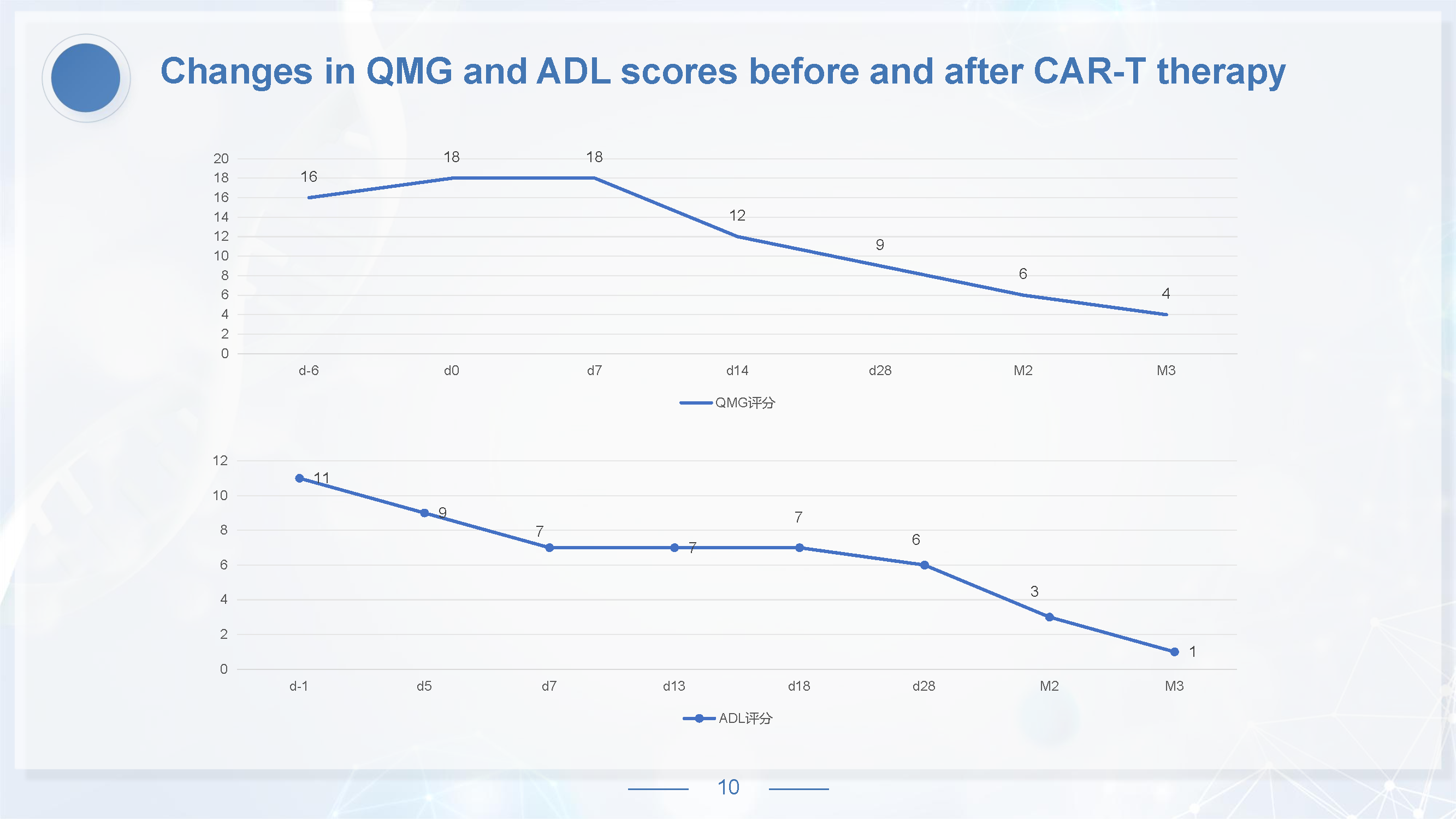
- Improved clinical scores: Substantial gains in Quantitative Myasthenia Gravis (QMG) and Activities of Daily Living (ADL) scores.
- Favorable safety profile: Well-tolerated with no cytokine release syndrome (CRS) or neurotoxicity observed in treated cases.
- Potential for long-term remission: Reduces or eliminates the need for chronic immunosuppression.
- Personalized & precise: Uses the patient’s own cells, minimizing rejection risk.
Treatment Process
- Leukapheresis– Collection of the patient’s T cells via peripheral blood apheresis.
- Genetic Engineering– T cells are modified to express CD19 and BCMA CARs and expanded in GMP facilities.
- Conditioning (if required)– Brief lymphodepletion to optimize CAR-T engraftment.
- CAR-T Infusion– Single intravenous infusion of CD19 CAR-T (0.5×10⁶/kg) + BCMA CAR-T (1×10⁶/kg).
- Monitoring & Follow-up– Regular assessment of CAR-T expansion, AchRAb levels, B-cell counts, QMG/ADL scores, and organ function for up to 12+ months.
Why Choose BIOOCUS’s CAR-T Therapy for MG?
- Cutting-edge dual-target CD19/BCMA CAR-T platform specifically optimized for autoimmune diseases.
- World-class GMP manufacturing and experienced immunotherapy team with expertise in both hematologic malignancies and refractory autoimmune conditions.
- Comprehensive international patient support: multilingual coordination, airport transfer, accommodation, and long-term follow-up.
- Proven track record in CAR-T for autoimmune disorders (including SLE) and personalized treatment planning.
- Full-spectrum care from pre-treatment evaluation to post-infusion monitoring.
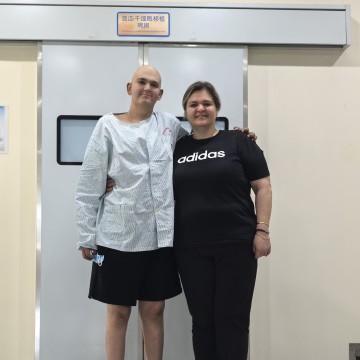
Patient Case Study Case Highlight: 20-Year-Old Female (LYN) with Refractory MG
Patient Background
- Diagnosed with refractory Myasthenia Gravis (CNGIIIa, AchRAb-positive) and post-surgical B3-type thymoma/thymic hyperplasia.
- Comorbidities: osteoporosis, bilateral femoral head and left proximal tibial avascular necrosis, iron-deficiency anemia.
- Failed multiple lines of therapy (2019–2025): high-dose steroids + azathioprine → tacrolimus → cyclosporine, repeated IVIG, efgartigimod, eculizumab + telitacicept, and rituximab (500 mg, ineffective).
CAR-T Treatment
- November 2025: CAR-T protocol initiated; cyclosporine paused.
- December 1, 2025: Peripheral blood mononuclear cell collection.
- December 15, 2025: Infusion of CD19 CAR-T (0.5×10⁶/kg) + BCMA CAR-T (1×10⁶/kg).
- No adverse events observed post-infusion.
Post-Treatment Outcomes (as of March 2026)
- CAR-T Expansion: Rapid in vivo expansion with peak CD19 CAR-T at D10 (7.62%, 4.622×10⁷/L) and BCMA CAR-T at D10 (17.17%, 1.0414×10⁸/L); sustained detection through Month 3.
- Laboratory Improvements:
- Significant reduction in AchRAb levels and total B-lymphocyte counts.
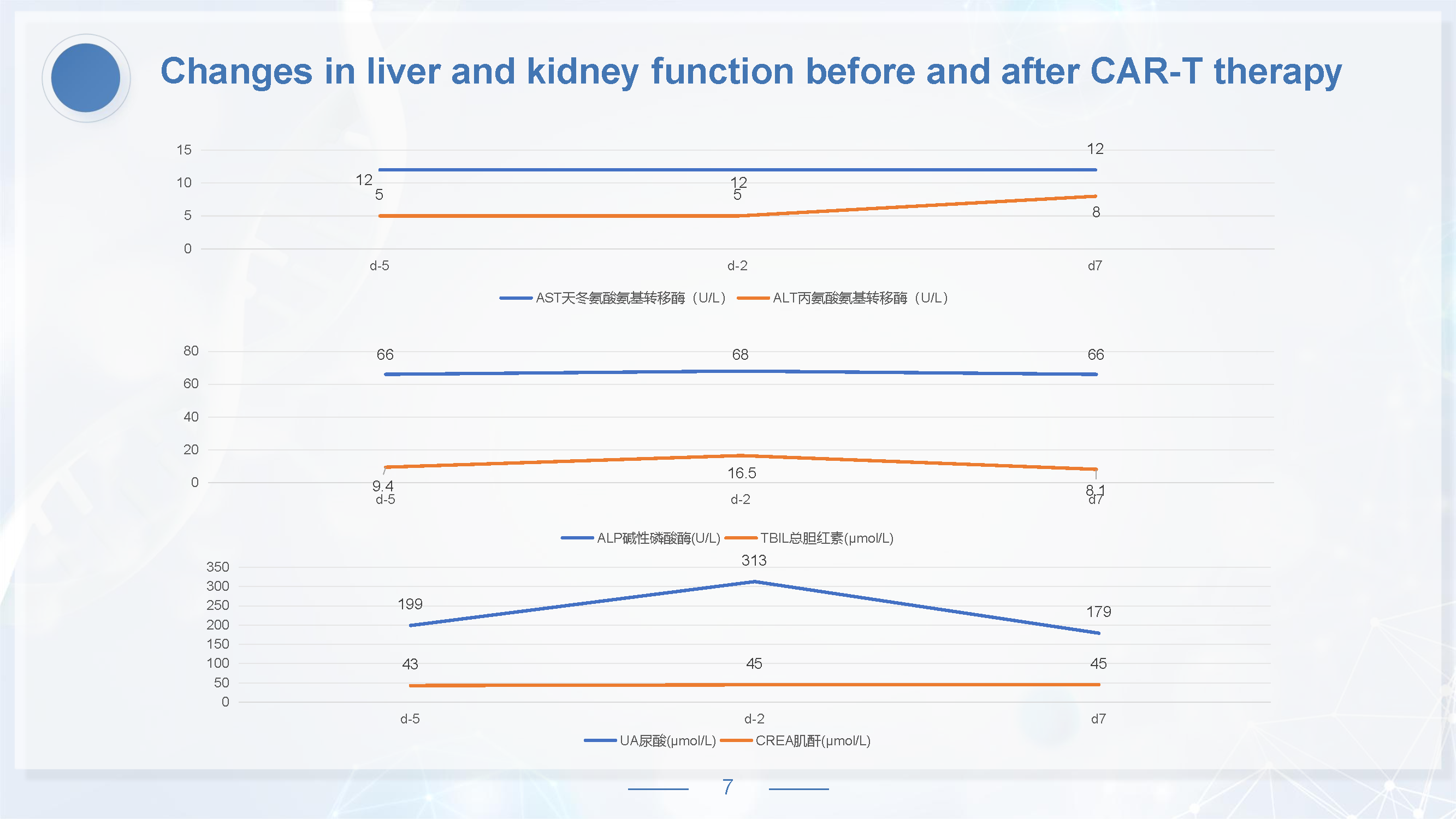
- Stable blood counts, liver and kidney function.
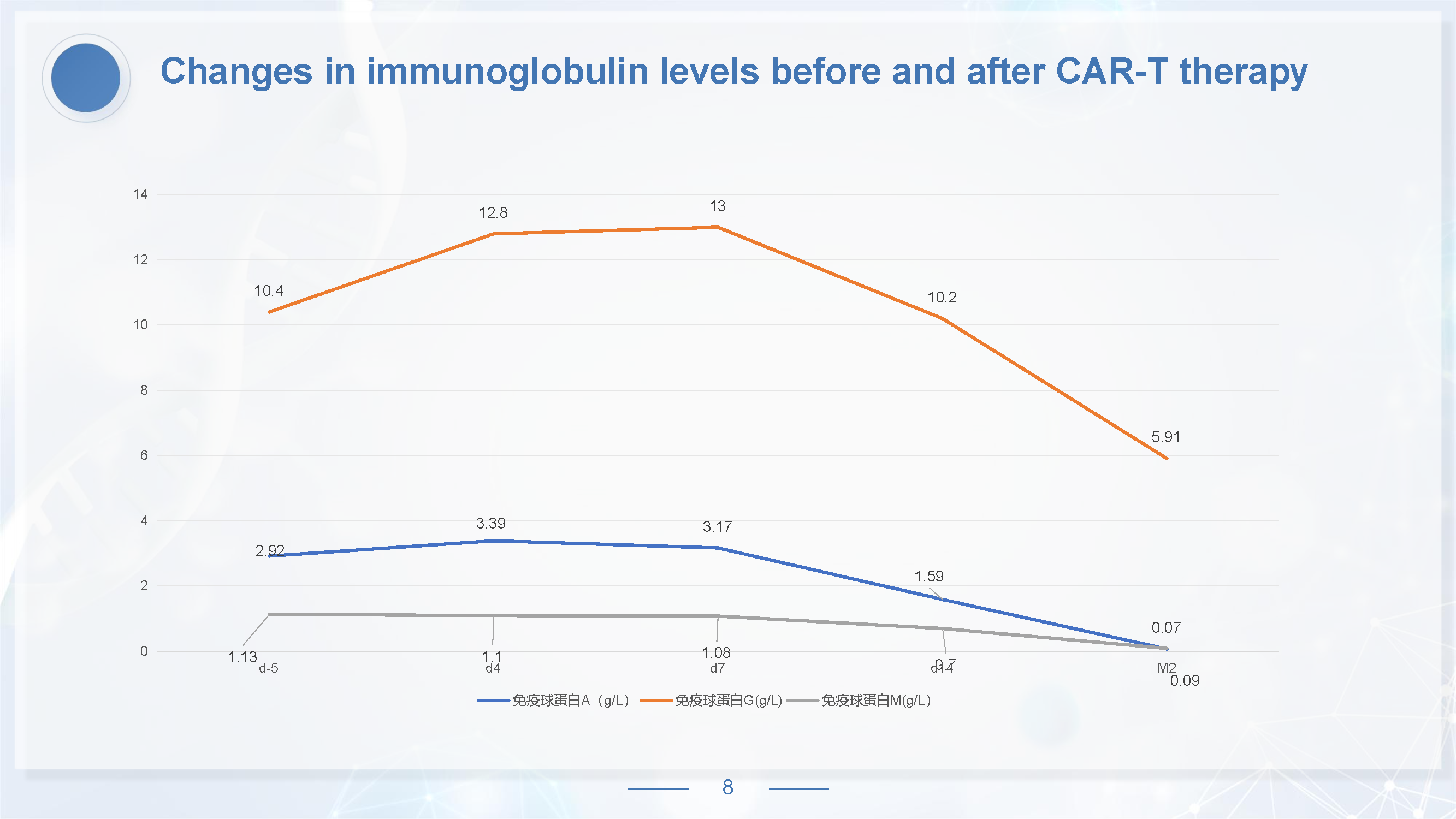
-
Immunoglobulin levels monitored (transient changes expected due to B-cell depletion).
- Clinical Scores: Notable improvement in QMG and ADL scores, reflecting reduced muscle weakness and better daily function.
- Symptom Relief: Resolution or marked improvement in diplopia, facial stiffness, dysarthria, and limb fatigue.